
Missing a tooth for a while? The bone underneath changes, and that changes which implant plan works. What we look for and what happens next.
Continue readingMissing a tooth for a while? The bone underneath changes, and that changes which implant plan works. What we look for and what happens next.
Continue reading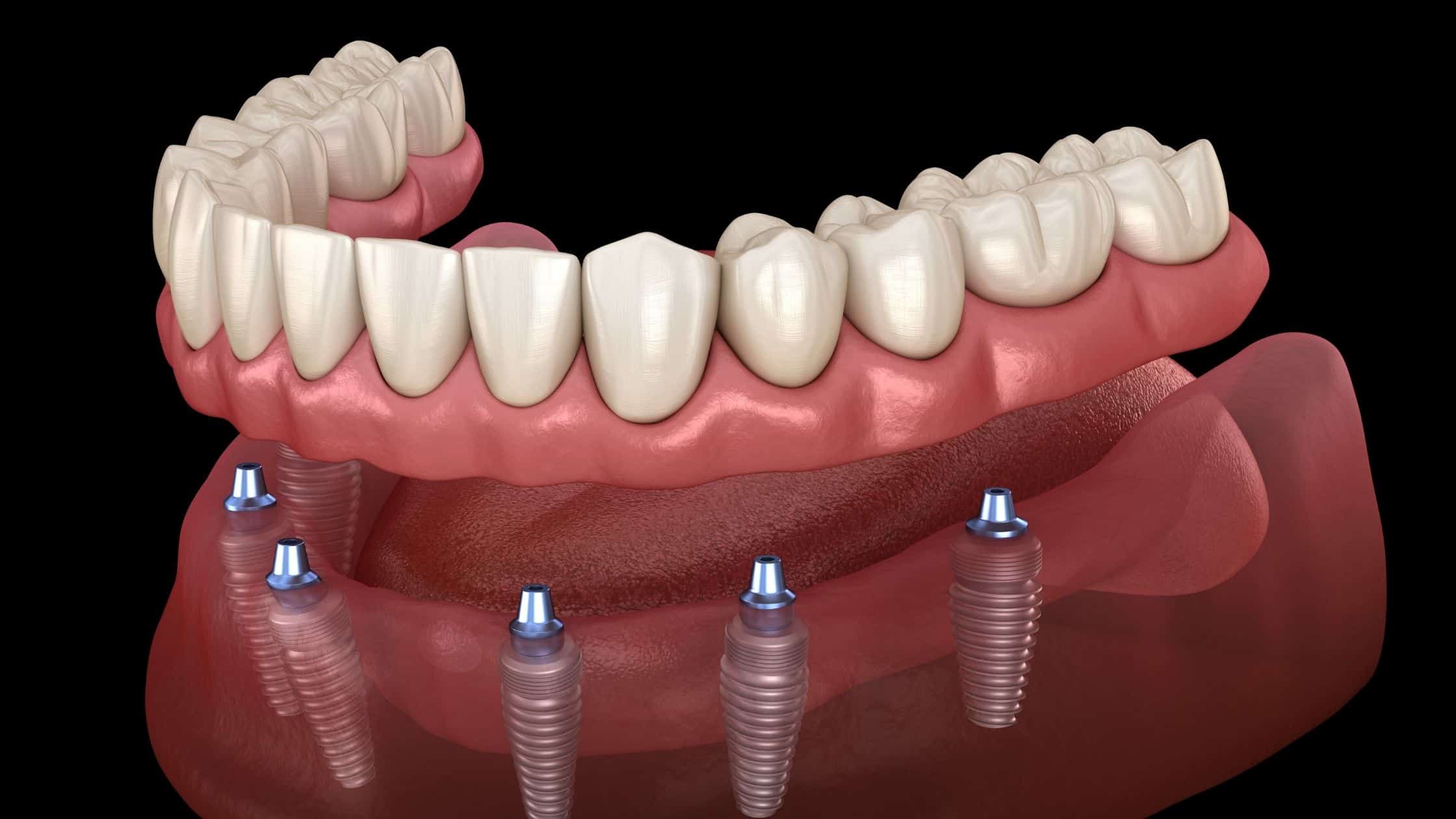
Wondering what happens at a dental implant consultation? A step-by-step walkthrough, what to bring, and the questions worth asking. The Dentist in Louisville, CO.
Continue reading
Sometimes it’s not your whole mouth that bothers you, it’s one problem tooth that steals all your attention. Maybe it’s sensitive, dark, chipped, or painful, and you keep thinking, “If I could just fix this one tooth, I’d feel so much better.” At The Dentist in Louisville, we specialize in practical, personalized solutions for that one tooth that bothers you most, from a team many patients consider the best dentist in Louisville, CO.
The first step is figuring out what’s actually wrong with the tooth, not just how it looks or feels.
Your dentist will ask about symptoms like pain, temperature sensitivity, pressure when biting, or cosmetic concerns, then perform an exam and often X‑rays to see whether the issue involves the enamel, nerve, gums, or supporting bone.
One tooth can stand out for several reasons.
It might have a deep cavity, a failing old filling or crown, a crack, staining or discoloration, gum recession around it, or trauma from a past injury or grinding habit, each of which calls for a different type of solution.
If the problem is small, like a minor chip, early cavity, or mild wear, conservative treatments can make a big difference.
Tooth‑colored fillings, smoothing sharp edges, or small bonding corrections can quickly restore comfort and appearance without major work, often in a single visit.
For teeth that are heavily worn, cracked, or have large old fillings, a dental crown may be the most reliable way to restore strength.
A crown acts like a protective cap over the tooth, helping you chew comfortably, stabilizing cracks, and improving how the tooth looks so it blends naturally with the rest of your smile.
If your problem tooth is sensitive to heat, cold, or biting and lingers with deep, aching pain, the nerve inside may be inflamed or infected.
Root canal therapy can remove the damaged nerve tissue, clean the inside of the tooth, and seal it, often followed by a crown, relieving pain while allowing you to keep the tooth instead of extracting it.
Sometimes the tooth that bothers you is more about appearance than pain.
Depending on the cause, options can include internal whitening (for certain previously treated teeth), veneers, or crowns to cover deep discoloration, giving that one tooth a color and shape that matches the rest of your smile.
In some cases, the safest long‑term option is to remove a tooth that’s too fractured, too decayed, or too compromised to predictably repair.
If that happens, your dentist can talk through replacement choices like dental implants, bridges, or a small removable partial so you don’t have to live with a gap or chewing problems.
Your “problem tooth” might feel fine structurally but sting with cold drinks or brushing, often due to exposed roots or thin enamel.
Desensitizing treatments, special toothpaste, bonding over sensitive areas, or gum‑focused care can reduce sensitivity and protect the tooth from future damage.
Sometimes a tooth bothers you because it’s taking more force than its neighbors when you bite or clench.
Minor bite adjustments and custom nightguards can spread out chewing forces, protect against grinding, and stop that one tooth from feeling like it’s “doing all the work.”
One of the most encouraging parts of focusing on a single problem tooth is that the plan can be very targeted.
At The Dentist in Louisville, we often start with that tooth first, addressing pain, function, or appearance, then talk about whether you want to leave it at that or gradually tackle other areas later.
Many people worry that fixing one tooth will lead to conversations about “fixing everything.”
We respect that you may want to prioritize the tooth that bothers you most, so we’re clear about costs and options, explaining what’s necessary now versus what’s optional or can wait.
When one tooth has been bothering you for months or years, you need a team that listens carefully and doesn’t dismiss your concerns.
That’s why many people describe The Dentist in Louisville as the best dentist in Louisville, CO for problem‑tooth solutions: we combine detailed diagnosis, conservative treatment where possible, and honest discussions about comfort, appearance, and budget.

When you invest time and money in dental work, it’s natural to wonder how long your fillings, crowns, implants, or veneers will actually last. You want to know whether you’re getting a “quick fix” or something that can serve you well for many years. At The Dentist in Louisville, our team, often considered the best dentist in Louisville, CO, focuses on setting realistic expectations and helping you make your restorations last as long as possible with smart home care and regular checkups.
Before talking numbers, it’s important to remember that no time estimate is one‑size‑fits‑all. How long a restoration lasts depends on:
The size and location of the restoration (front vs. back teeth, small vs. large).
Your bite forces and whether you clench or grind your teeth.
Your daily habits, brushing, flossing, diet, and use of a night guard if needed.
Your risk for cavities and gum disease.
How consistently you see the dentist for exams and cleanings.
Two people can get the same kind of crown on similar teeth. One may keep it 20 years, while the other needs a replacement in 8–10 years, simply because their habits, bite, or decay risk are different. That’s why the best dentist in Louisville, CO will always talk in ranges and tailor expectations to your mouth.
Tooth‑colored composite fillings are used to treat cavities or repair minor chips and wear. They’re designed to bond to the tooth and blend with your natural enamel.
In general, composite fillings often last around 5–10 years, and sometimes longer when:
The filling is relatively small.
You don’t get frequent new cavities.
You avoid chewing on ice, pens, or very hard foods.
Large fillings that cover much of the tooth take more stress and may break down or leak sooner. Over time, the edges can wear or stain, and tiny gaps may form where bacteria can sneak in. Regular exams allow your dentist to spot early changes and fix them before they turn into painful problems.
Silver amalgam fillings are used less frequently in many offices today, but plenty of adults still have them from years past. These restorations are quite strong and can often last 10–15 years or more.
However, they can:
Expand and contract with temperature changes over time.
Put stress on the surrounding tooth, contributing to small cracks.
Require monitoring for breakdown at the edges.
If you have older silver fillings, The Dentist in Louisville can help you decide whether to keep them, repair them, or replace them with tooth‑colored material based on their current condition and your long‑term goals.
Crowns cover and protect teeth that are badly broken, heavily filled, cracked, or root‑canal treated. They’re designed to restore strength, shape, and appearance.
On average, many crowns last about 10–15 years, and with excellent care, some last 20 years or longer. Longevity depends on:
How much healthy tooth is under the crown.
How well you clean around the gumline where decay can start.
Whether you grind or clench your teeth.
How often your dentist checks and maintains them.
A crown doesn’t make a tooth indestructible, but it greatly improves its odds compared with leaving a weakened tooth exposed. With regular checkups from the best dentist in Louisville, CO, you can catch small issues around a crown before they turn into big ones.
A root canal itself is not a visible restoration, but it’s usually part of a larger plan. After a root canal, the tooth often needs a crown to protect it from fracture, because it can become more brittle.
When a root canal is done well and the tooth is fully restored:
The internal treatment can last many years, often decades.
The crown on top usually follows the same 10–15+ year range as other crowns.
Success depends on keeping new decay from forming around the tooth and maintaining healthy gums and bone. Good home care and regular X‑rays help ensure everything stays stable.
A bridge replaces one or more missing teeth by anchoring to neighboring teeth or implants. It’s fixed in place and restores your ability to chew and smile without a gap.
Most bridges last around 7–15 years, sometimes longer, depending on:
The health and strength of the supporting teeth.
How well you clean under and around the bridge.
Your overall cavity and gum disease risk.
Because the anchor teeth do more work, they need extra attention. Floss threaders, special brushes, and professional cleanings are key. When you work closely with The Dentist in Louisville on maintenance, you can help your bridge reach the upper end of its expected lifespan.
Dental implants are one of the longest‑lasting options for replacing missing teeth. Each implant has two main parts: the titanium post in the bone, and the crown or restoration on top.
With proper care:
The implant post can often last decades and may be a lifetime solution.
The crown or attached prosthesis typically lasts 10–15 years or more before normal wear may call for replacement.
Implants rely on healthy bone and gums, so great oral hygiene and regular professional cleanings are essential. Avoiding smoking or vaping and managing conditions like diabetes also play a big role in long‑term success.
Porcelain veneers are thin shells bonded to the front of teeth to improve color, shape, and alignment. They’re a popular cosmetic option for a “smile makeover.”
Typically, veneers last about 10–15 years, and sometimes longer when you:
Avoid biting hard objects with your front teeth.
Wear a night guard if you grind.
Keep your gums healthy to prevent recession at the edges.
Veneers themselves don’t decay, but the teeth under them still can, so brushing, flossing, and checkups remain very important.
Full dentures and partial dentures don’t get cavities, but your mouth changes over time. Bone and gum tissue gradually reshape, which affects how these appliances fit.
As a general guideline:
Many dentures and partials last about 5–10 years before they need a reline, repair, or replacement.
Regular evaluations help catch sore spots, looseness, and wear on the teeth.
Upgrades, like implant‑supported dentures, can sometimes give you more stability and comfort if you’re finding your current appliance difficult to use.
Regardless of the type of restoration, you can extend its lifespan with a few consistent habits:
Brush twice a day with fluoride toothpaste and a soft brush.
Floss daily, including under bridges and around implants.
Limit frequent sugary and acidic snacks and drinks.
Wear a night guard if you clench or grind.
See your dentist regularly for cleanings, exams, and X‑rays as recommended.
At The Dentist in Louisville, we’ll also show you specific tools, like interdental brushes, floss threaders, or water flossers, that match your particular restorations. A prevention‑focused approach from a team many consider the best dentist in Louisville, CO helps you get the most life out of every filling, crown, implant, or denture.

Losing a tooth can feel like a one‑off problem, something you’ll “deal with later” if it isn’t causing major pain. But a missing tooth affects far more than just the open space in your smile. It changes how your bite works, how your jawbone behaves, and how much stress your remaining teeth have to absorb every day. At The Dentist in Louisville, our team, often regarded as the best dentist in Louisville, CO, helps patients understand how replacing missing teeth doesn’t just restore appearance. It actually helps protect the teeth you still have.
Your teeth are designed to work together as a balanced system. When even one tooth is lost, that balance starts to shift. Over time, you may notice:
Neighboring teeth leaning or tipping into the empty space.
The opposing tooth (the one that used to bite against the missing one) slowly “over‑erupting,” or dropping down/out of place.
A bite that feels different or uneven when you close your teeth together.
As the bite changes, certain teeth begin to take on more of the chewing workload. That extra stress can lead to cracks, chips, and worn enamel, which often means more fillings, crowns, or even additional extractions down the road. Replacing missing teeth helps restore that balance and protects the teeth that are still doing their job.
Teeth do more than help you chew; their roots constantly stimulate your jawbone. Every time you bite, the force travels through the tooth into the bone, signaling it to stay strong and dense.
When a tooth is missing:
The bone in that area loses regular stimulation.
Over time, the bone begins to shrink or resorb.
The ridge in that area can become thinner and lower.
Bone loss doesn’t stay neatly in one spot, it can weaken support for neighboring teeth, making them more likely to loosen or fail. This slow change can also affect your facial profile, sometimes making the cheeks or lips appear slightly collapsed over time. By replacing missing teeth, especially with options that stimulate bone, you help preserve the foundation that keeps your remaining teeth stable.
Think of your teeth like members of a team. When several “players” are missing, the remaining ones have to overcompensate. That overuse often shows up as:
Tiny fractures or craze lines in the enamel.
Chipped cusps (the pointed parts of back teeth).
Flattened, worn biting surfaces from grinding or clenching on fewer teeth.
Soreness in the jaw muscles and joints.
Replacing missing teeth spreads chewing forces more evenly again. When the workload is shared, each tooth experiences more normal levels of stress, which helps fillings, crowns, and natural enamel last longer. Over time, this can significantly reduce the risk of sudden breaks and dental “emergencies.”
Dental implants are one of the most effective options for replacing missing teeth in a way that also protects what you have left. An implant consists of:
A small titanium post placed in the jawbone, acting like an artificial root.
A connector piece (abutment).
A custom crown designed to blend with your natural teeth.
Because the implant sits in the bone, it helps restore the stimulation that would normally come from a real tooth root. That:
Slows or helps prevent bone loss in the area.
Provides strong support so neighboring teeth are less likely to shift.
Allows you to chew comfortably on that side again, easing the burden on other teeth.
Implants also stand on their own, so they don’t rely on your neighboring teeth for support. That means those teeth don’t have to be reshaped for crowns, which helps preserve their natural structure. Many patients at The Dentist in Louisville appreciate implants for both their stability and the way they help maintain overall oral health, not just fill a space.
A dental bridge can be an excellent option when you’re missing one or a few teeth in a row. A traditional bridge:
Uses the teeth on either side of the gap as anchors by placing crowns on them.
Suspends one or more artificial teeth (pontics) between those anchors to fill the space.
By closing the gap, bridges:
Prevent neighboring teeth from drifting or tipping into the open area.
Keep the opposing tooth from over‑erupting.
Restore a more even bite, so chewing forces don’t overload just a few teeth.
For many patients, a well‑designed bridge is a predictable, long‑lasting way to stabilize the bite and protect adjacent teeth from shifting and excessive wear. The team at The Dentist in Louisville will evaluate the health of the potential anchor teeth and your overall bite to determine whether a bridge is a smart choice for your situation.
If you’re missing several teeth, especially in different areas of your mouth, a removable partial denture can help restore function and protect remaining teeth. A partial denture:
Replaces multiple missing teeth with one appliance.
Clips around or rests against your remaining teeth for support.
Restores a more even chewing surface across your bite.
By giving you more teeth to chew with, partial dentures reduce the workload on your remaining natural teeth. This helps lower the risk of those teeth chipping, cracking, or loosening from overuse. While removable, modern partials can be designed to fit comfortably and look natural, especially when made and adjusted carefully by a team focused on your long‑term oral health.
Missing teeth don’t just stress your natural teeth; they can also strain your existing dental work. When fewer teeth share the load, crowns, fillings, and bridges on the remaining teeth may:
Wear out faster under higher bite forces.
Crack or break more easily.
Need replacement sooner than expected.
By replacing missing teeth, you protect the investment you’ve already made in your mouth. That means longer‑lasting restorations, fewer surprises, and a more predictable path for your future dental care.
Protecting your remaining teeth isn’t only about structure and bone, it’s also about how you feel day to day. Missing teeth can lead you to:
Chew on one side only, which overworks those teeth and your jaw joint.
Avoid certain foods, which affects nutrition and enjoyment.
Hide your smile or feel self‑conscious in photos or conversations.
Replacing missing teeth restores balance and comfort, often making it easier to maintain good oral hygiene and to stay consistent with preventive visits. That combination, restored function plus better daily care, is one of the most powerful ways to protect the teeth you still have.
Every mouth is different, and there’s no one “right” solution for replacing missing teeth. At The Dentist in Louisville, the process starts with a thoughtful evaluation that considers:
How many teeth are missing and where.
The health of your remaining teeth and gums.
Your bone levels, bite, and jaw function.
Your goals, budget, and timeline.
From there, we’ll explain the pros and cons of implants, bridges, and partial dentures for your specific situation, and how each option can help safeguard the teeth you still have. With a customized plan from a team many patients consider the best dentist in Louisville, CO, replacing missing teeth becomes less about patching a gap and more about protecting your entire smile for years to come.

A confident, radiant smile can transform your appearance and boost your self-esteem. For patients who have lost teeth or want to enhance their smile, combining cosmetic dentistry with dental implants offers a long-lasting and aesthetically pleasing solution. At The Dentist in Louisville, our team provides expert care to help patients achieve the perfect smile with the guidance of the best dentist in Louisville, CO.
Dental implants are artificial tooth roots, typically made of biocompatible titanium, that are surgically placed into the jawbone. They serve as a stable foundation for crowns, bridges, or dentures. Unlike traditional dentures, implants fuse with the jawbone in a process called osseointegration, providing strength, stability, and a natural look.
Implants not only replace missing teeth but also prevent bone loss, preserve facial structure, and restore functionality, allowing patients to eat, speak, and smile with confidence.
Cosmetic dentistry focuses on improving the appearance of your teeth and smile. Common treatments include:
Dental Veneers: Thin porcelain shells placed over teeth to correct discoloration, chips, or minor misalignment.
Teeth Whitening: Removes stains and brightens your smile.
Bonding: Repairs small chips, cracks, or gaps using tooth-colored resin.
Crowns: Restores teeth damaged by decay or trauma while improving appearance.
When combined with dental implants, these cosmetic procedures enhance the overall aesthetic outcome, creating a harmonious, natural-looking smile.
Combining cosmetic dentistry and dental implants addresses both functional and aesthetic concerns. While implants restore missing teeth, cosmetic procedures refine shape, color, and alignment, ensuring a balanced and attractive smile.
Some key benefits of combining these treatments include:
Missing teeth, discoloration, or misalignment can affect the appearance of your smile. Dental implants restore the gaps, while cosmetic treatments ensure that the new teeth match the surrounding natural teeth in color, shape, and size. This combination creates a seamless, beautiful smile that looks natural and healthy.
Dental implants function like natural teeth, allowing patients to chew and speak effectively. When combined with cosmetic dentistry, patients can enjoy teeth that not only look great but also work properly. Correcting bite alignment, restoring damaged teeth, and replacing missing teeth all contribute to improved oral function.
Dental implants are a durable solution, often lasting a lifetime with proper care. Cosmetic enhancements, such as veneers or crowns, also offer longevity when maintained with good oral hygiene and regular dental visits. Together, these treatments provide a smile that is both beautiful and resilient.
A restored and aesthetically pleasing smile can significantly improve self-esteem. Patients who have struggled with missing teeth or dental imperfections often feel more confident socially and professionally after combining implants with cosmetic treatments.
Achieving the perfect smile through implants and cosmetic dentistry involves a carefully planned treatment process.
During your consultation at The Dentist in Louisville, the best dentist in Louisville, CO evaluates your oral health, discusses your goals, and develops a personalized treatment plan. This includes assessing bone density for implant placement and determining which cosmetic procedures will enhance your smile.
Dental implants are surgically placed into the jawbone under local anesthesia or sedation if needed. Over several months, the implants fuse with the bone, creating a stable foundation for replacement teeth.
Once the implants have integrated, cosmetic treatments are applied to ensure a natural, uniform appearance. Crowns, veneers, or bonding may be used to match the new teeth to your existing smile. Teeth whitening can also be performed to create a brighter, more harmonious look.
After all treatments are completed, the final restorations are placed. Your dentist ensures proper alignment, bite function, and aesthetic appearance, resulting in a smile that looks and feels natural.
Proper care is essential to preserve the results of dental implants and cosmetic dentistry. Key maintenance tips include:
Brush and floss daily to prevent plaque buildup and gum disease.
Schedule regular dental checkups to monitor the health of your implants and surrounding teeth.
Avoid biting hard objects or using teeth as tools, which can damage restorations.
Maintain a healthy diet and avoid excessive staining foods or beverages.
Following these guidelines helps ensure that your investment in your smile lasts for years to come.
At The Dentist in Louisville, we combine expertise in cosmetic and restorative dentistry to deliver comprehensive, personalized care. Our team focuses on patient comfort, advanced techniques, and exceptional results. Patients seeking the best dentist in Louisville, CO trust us to create smiles that are both beautiful and functional.
By blending dental implants with cosmetic enhancements, we help patients achieve a natural, confident smile that complements their facial features and lifestyle. Whether you’re replacing missing teeth, correcting imperfections, or enhancing your overall smile, we provide the solutions and guidance you need.
Combining cosmetic dentistry and dental implants offers patients the ultimate solution for restoring and enhancing their smiles. This approach addresses both function and aesthetics, ensuring natural-looking, durable, and confident results. At The Dentist in Louisville, our team delivers expert care, personalized treatment plans, and beautiful outcomes for patients seeking the best dentist in Louisville, CO.
If you’re ready to transform your smile and enjoy the benefits of dental implants with cosmetic enhancements, schedule a consultation today. Your perfect smile is within reach.

It’s easy to underestimate how much your teeth impact your daily life, until something goes wrong. A cracked tooth, missing filling, or persistent discomfort can affect how you eat, speak, sleep, and even how confidently you smile. That’s where restorative dentistry comes in. At The Dentist in Louisville, restorative treatments are designed not only to repair damaged teeth but to dramatically improve your comfort, function, and overall quality of life.
If you’re searching for the best dentist in Louisville, CO, understanding how restorative dentistry supports your everyday routine can help you see just how life-changing the right treatment can be.
Restorative dentistry focuses on diagnosing and treating oral health problems that affect the structure and function of your teeth. The goal is simple: restore your smile so it looks natural, feels comfortable, and works properly.
Common restorative treatments include:
Each solution is tailored to the patient’s needs, ensuring both durability and aesthetics.
One of the most immediate benefits of restorative dentistry is the ability to eat comfortably again. When a tooth is cracked, decayed, or missing, chewing can become painful or inefficient. Many people begin avoiding certain foods, like crunchy vegetables, steak, or even cold drinks.
Restorative treatments help:
Eliminate pain from damaged teeth
Strengthen weak or fractured teeth
Replace missing teeth for balanced chewing
Dental crowns, for example, reinforce a damaged tooth, allowing you to bite and chew confidently. Dental implants can restore full function where teeth are missing, preventing strain on surrounding teeth.
When you visit the best dentist in Louisville, CO, the goal isn’t just fixing a tooth—it’s restoring your ability to enjoy meals without discomfort.
Your teeth play an important role in speech. Missing or damaged teeth can affect pronunciation and clarity, especially when it comes to certain sounds.
Restorative dentistry can correct these issues by:
Replacing missing teeth
Restoring proper spacing
Rebuilding worn tooth surfaces
Patients often notice improved clarity and confidence in conversations once their teeth are properly restored.
Your smile is one of the first things people notice about you. When teeth are chipped, discolored from decay, or missing, it can lead to self-consciousness. Many people hide their smiles, avoid photos, or feel uncomfortable in social settings.
Restorative dentistry doesn’t just repair function, it enhances appearance. Tooth-colored fillings blend seamlessly with natural enamel. Crowns are custom-made to match surrounding teeth. Dental implants look and feel like real teeth.
By working with the best dentist in Louisville, CO, you can regain a smile that looks healthy and natural, boosting your confidence in both personal and professional settings.
Small dental issues rarely stay small. A minor cavity can grow into a painful infection. A cracked tooth can split further under pressure. A missing tooth can cause neighboring teeth to shift out of alignment.
Restorative dentistry helps prevent these complications by addressing problems early. For example:
Fillings stop decay from spreading
Crowns protect weakened teeth from breaking
Implants prevent bone loss in the jaw
By treating damage promptly, you reduce the likelihood of more complex and costly procedures in the future.
When teeth are missing or damaged, it can alter your bite. An uneven bite may cause:
Jaw discomfort
Headaches
Teeth grinding
Excessive wear on certain teeth
Replacing missing teeth or restoring damaged ones helps maintain proper alignment and balance. This protects not only your teeth but also your jaw joints and facial muscles.
At The Dentist in Louisville, restorative treatments are carefully planned to ensure your bite functions harmoniously.
Chronic tooth pain can disrupt sleep, concentration, and daily comfort. Conditions like deep decay or infection often require treatments such as root canal therapy.
While some patients feel nervous about these procedures, modern dentistry makes them comfortable and highly effective. Root canal treatment removes infection while preserving the natural tooth structure, relieving pain and preventing extraction.
Seeking care from the best dentist in Louisville, CO ensures your treatment is handled with precision and compassion.
Restorative dentistry doesn’t just fix immediate problems, it supports your long-term oral health. Properly restored teeth are easier to clean and maintain, reducing your risk of future decay and gum disease.
For example:
Replacing missing teeth prevents neighboring teeth from shifting
Restoring cracked teeth prevents bacteria from entering deeper layers
Treating decay early protects surrounding structures
When paired with routine dental exams and cleanings, restorative treatments help maintain a strong, healthy foundation for years to come.
One of the biggest advances in modern dentistry is how natural restorative work looks. Today’s materials are designed to match the color, shape, and translucency of real teeth.
Patients no longer have to worry about obvious metal fillings or bulky restorations. Instead, treatments are discreet and aesthetically pleasing.
This means you can smile, laugh, and speak without worrying about noticeable dental work.
Every smile is unique, and restorative dentistry should never follow a one-size-fits-all approach. At The Dentist in Louisville, treatment plans are customized based on your oral health needs, lifestyle, and long-term goals.
Choosing the best dentist in Louisville, CO means receiving comprehensive care that prioritizes both function and appearance.
From enjoying meals comfortably to speaking clearly and smiling confidently, restorative dentistry enhances nearly every aspect of daily life. Addressing dental concerns early not only improves your comfort but also protects your long-term health and well-being.
If you’re experiencing discomfort, missing teeth, or damage, don’t wait for the problem to worsen. Schedule a consultation with The Dentist in Louisville and discover how restorative dentistry can transform your everyday life.
A fully functional, confident smile isn’t just about aesthetics, it’s about living comfortably and confidently every single day.

Life in Louisville offers the perfect blend of small-town charm and active living. Whether you’re biking local trails, commuting to nearby cities, or managing a busy family schedule, it’s easy to let dental appointments slide down the priority list. But routine dental exams are one of the most important investments you can make in your long-term health.
At The Dentist in Louisville, we believe preventive care is the foundation of a lifetime of healthy smiles. Visiting the best dentist in Louisville, CO for routine exams doesn’t just protect your teeth—it protects your time, your budget, and your overall well-being.
Let’s take a closer look at why regular dental checkups truly matter.
Dental issues rarely appear overnight. Cavities, gum disease, cracked teeth, and infections often start small and painless. Without regular exams, these minor concerns can quietly progress into bigger, more expensive problems.
For example:
A small cavity can often be treated with a simple filling.
Early gum inflammation can be reversed with professional cleanings and improved home care.
Minor enamel wear can be addressed before it causes severe sensitivity or fractures.
When you visit the best dentist in Louisville, CO consistently, your dental team can detect subtle changes early, before you ever feel discomfort. Early treatment almost always means simpler procedures, less stress, and lower costs.
Even the most dedicated brushing and flossing routine can’t remove hardened tartar. Over time, plaque buildup turns into tartar that clings to teeth and below the gumline. This buildup creates the perfect environment for bacteria to thrive.
During routine dental exams, your appointment includes a professional cleaning that:
Removes plaque and tartar
Polishes away surface stains
Reduces harmful bacteria
Freshens your breath
These cleanings are essential in preventing decay and gum disease. Think of them as a reset button for your oral health.
Gum disease is one of the most common dental issues among adults—and it often develops silently. Early signs may include mild redness, bleeding when brushing, or slight gum tenderness. If untreated, gum disease can progress to periodontitis, which may cause bone loss and even tooth loss.
Routine dental exams allow your dentist to:
Measure gum pockets
Check for inflammation
Identify early warning signs
With early detection, gum disease is much easier to manage. Regular visits to the best dentist in Louisville, CO significantly reduce your risk of long-term damage.
One of the most important components of routine dental exams is oral cancer screening. Many people don’t realize that dentists are often the first to detect early signs of oral cancer.
During your visit, your dentist checks for:
Unusual sores or lesions
Lumps or thickened tissue
Red or white patches
Changes in the tongue or soft tissues
Because oral cancer may not cause pain in its early stages, these screenings are critical. Early detection dramatically increases successful treatment outcomes.
The mouth is connected to the rest of your body in powerful ways. Research has shown links between gum disease and systemic conditions such as:
Heart disease
Diabetes
Respiratory infections
Pregnancy complications
Inflammation in the mouth can contribute to inflammation elsewhere in the body. By keeping your gums and teeth healthy, you’re supporting your overall wellness.
Routine visits to The Dentist in Louisville are about more than just teeth—they’re about total health.
If you have fillings, crowns, bridges, or dental implants, routine exams are essential for maintaining them. Dental restorations don’t last forever, and early signs of wear or damage aren’t always visible to you.
Regular checkups allow your dentist to:
Ensure crowns and fillings remain secure
Check for small cracks or leaks
Monitor implant stability
Assess bite alignment
Protecting existing dental work helps you avoid unexpected repairs or replacements.
Dental emergencies often stem from untreated problems. A small crack can turn into a broken tooth. A minor cavity can develop into a painful infection. Routine exams reduce your risk of sudden, stressful dental emergencies.
When your oral health is monitored regularly, you’re far less likely to face surprise pain or urgent procedures.
Routine dental care doesn’t just improve health, it enhances confidence. Clean, healthy teeth make a noticeable difference in how you feel and present yourself.
Professional cleanings remove stains and brighten your smile. Exams ensure everything looks and feels its best. When your smile is healthy, you’re more likely to speak, laugh, and engage confidently in both professional and social settings.
Residents who prioritize visits with the best dentist in Louisville, CO often notice the difference in how they feel day to day.
Dental anxiety is common, but avoiding care can make fears worse over time. When appointments are routine and issues are caught early, visits are typically quicker and more comfortable.
Building a relationship with a trusted dental team makes the experience more predictable and less stressful. Familiarity helps create a positive cycle of preventive care rather than reactive treatment.
For most patients, dental exams and cleanings are recommended every six months. However, some individuals may need more frequent visits depending on their oral health history and risk factors.
You may benefit from more frequent checkups if you:
Have a history of gum disease
Experience frequent cavities
Have diabetes
Use tobacco products
Grind or clench your teeth
Your dentist will recommend a personalized schedule to best protect your smile.
Routine dental exams may seem small, but their impact is enormous. They help you avoid pain, save money, protect your overall health, and maintain confidence in your smile.
If it’s been more than six months since your last visit, now is the perfect time to schedule an appointment with the best dentist in Louisville, CO at The Dentist in Louisville.
Preventive care today means fewer surprises tomorrow, and a healthier, brighter smile for years to come.

A bright, healthy smile is one of the first things people notice—and one of the most powerful ways to boost your confidence. Whether you’re preparing for a big life event, wanting to make a strong impression at work, or simply hoping to enhance your natural beauty, cosmetic dentistry offers transformative results for patients of all ages.
At The Dentist in Louisville, we believe every patient deserves to love their smile. As the best dentist in Louisville, CO, we provide modern cosmetic treatments designed to improve appearance, function, and long-term oral health. Here are the top cosmetic dentistry treatments Louisville patients are choosing to elevate their confidence and enhance their smiles.
Perhaps the most popular cosmetic dental treatment, teeth whitening delivers fast, dramatic improvements with minimal effort. Coffee, tea, red wine, and natural aging all contribute to staining—but professional whitening can lift years of discoloration in as little as one visit.
Quick and painless
Brightens teeth several shades
Long-lasting results
Perfect for special events, job interviews, and vacations
If you’re looking for an instant confidence boost, whitening is one of the best places to start.
Crooked, crowded, or gapped teeth can impact more than appearance—they can also affect your bite, speech, and overall oral health. Invisalign offers a discreet alternative to traditional braces, making it an excellent option for adults and teens.
Nearly invisible aligners
Comfortable fit with no metal or wires
Removable design for easy eating and brushing
Customized treatment plans with predictable results
As the best dentist in Louisville, CO, we use Invisalign to help patients achieve straighter smiles without the inconvenience of traditional braces.
When it comes to dramatic smile transformations, porcelain veneers are unmatched. These thin, custom-made shells cover the front surface of teeth to correct a wide range of imperfections.
Deep discoloration
Chips and cracks
Uneven or misshaped teeth
Gaps between teeth
Worn enamel
Produce flawless, natural-looking results
Require minimal preparation
Offer long-lasting beauty (often 10–15 years or more)
Veneers are a favorite among patients seeking a truly stunning smile makeover.
Bonding is a quick, cost-effective way to improve minor aesthetic concerns. A tooth-colored resin is sculpted onto the tooth to restore or enhance its appearance.
Repairing chipped or cracked teeth
Filling small gaps
Improving uneven edges
Masking discoloration
Affordable and efficient
Usually completed in one visit
Requires minimal tooth preparation
Bonding is a great option for patients seeking subtle refinements without a full restoration.
For those with multiple cosmetic concerns, a personalized smile makeover can be life-changing. This comprehensive approach combines several treatments—such as whitening, veneers, bonding, and Invisalign—to create a cohesive, harmonious smile.
Improve confidence
Enhance symmetry and balance
Address aesthetic and functional issues simultaneously
Each makeover is tailored to your goals, facial features, and dental health to produce a result that looks both beautiful and natural.
Healthy gums play an essential role in the appearance of your smile. If you have a “gummy” smile or uneven gumline, laser gum contouring offers a minimally invasive solution.
More balanced tooth proportions
A shapelier, more symmetrical smile
Fast healing with minimal discomfort
Correcting the gumline can dramatically improve the aesthetics of the entire smile.
Cosmetic dentistry isn’t only about beauty—it’s also about restoring confidence in your bite and oral function. Modern tooth-colored fillings blend seamlessly with natural teeth, replacing old metal fillings or repairing damage discreetly.
Natural appearance
Strong and durable
Preserve more natural tooth structure
Mercury-free materials
These restorations improve both health and aesthetics in a single treatment.
Missing teeth can affect self-esteem, speech, and chewing ability. Dental implants are the gold standard for tooth replacement, offering a permanent, natural-looking solution.
Restores full function and appearance
Prevents bone loss and facial sagging
Long-lasting and highly durable
Looks and feels like a natural tooth
Implants are one of the most transformative cosmetic options available today.
Choosing the right cosmetic treatment depends on your goals, budget, and dental needs. During your consultation at The Dentist in Louisville, we will:
Examine your teeth and gums
Discuss your aesthetic concerns
Review treatment options tailored to your goals
Create a step-by-step smile transformation plan
As the best dentist in Louisville, CO, our focus is on delivering personalized, high-quality care that enhances your natural beauty while supporting long-term oral health.
Whether you’re seeking a brighter smile, straighter teeth, or a complete makeover, cosmetic dentistry can elevate your confidence and transform your daily interactions. At The Dentist in Louisville, we’re proud to offer advanced, patient-centered cosmetic treatments that help you look and feel your best.
Ready to love your smile again? Schedule your cosmetic dentistry consultation with The Dentist in Louisville today!

Missing teeth can impact far more than your smile—they can affect your confidence, your chewing ability, your speech, and even the long-term health of your jawbone. Fortunately, modern dentistry offers more advanced, comfortable, and natural-looking tooth replacement options than ever before. Louisville patients today have access to highly effective solutions that restore full function and enhance the beauty of their smiles.
At The Dentist in Louisville, we’re committed to helping patients understand their choices so they can make fully informed decisions. As the best dentist in Louisville, CO, we provide state-of-the-art restorative care tailored to your lifestyle, health, and long-term goals. Here’s what you should know about today’s leading tooth replacement options—and how to determine which one may be right for you.
Many people delay replacing missing teeth, especially if the empty space isn’t visible. But waiting too long can lead to major issues, including:
Shifting or tilting of surrounding teeth
Bone loss in the jaw
Bite misalignment
Difficulty chewing certain foods
Jaw joint discomfort
Increased wear on remaining teeth
Aging or sunken facial appearance
Replacing missing teeth restores both function and facial balance, prevents future issues, and improves overall oral health.
Dental implants are widely considered the most advanced and durable tooth replacement option. An implant replaces the entire tooth, including the root, making it stable, natural-looking, and long-lasting.
A titanium post is surgically placed into the jawbone, where it fuses naturally with the bone. Once healed, a lifelike crown is attached to complete the restoration.
Look, feel, and function like natural teeth
Prevent bone loss
Extremely durable—often lasting decades
Do not affect neighboring teeth
Easy to clean and maintain
Restore full chewing strength
Patients with healthy gums and sufficient bone density—or those willing to undergo bone grafting if needed.
If you’re looking for the closest possible match to your natural tooth, implants are typically the top recommendation from the best dentist in Louisville, CO.
For patients missing several teeth in a row, an implant-supported bridge may be ideal. Instead of placing an implant for each missing tooth, a few strategically placed implants support a custom bridge.
Strong and stable
No need to grind down healthy teeth
Prevents further bone loss
Great chewing function
Long-lasting and natural looking
Patients missing multiple adjacent teeth.
This option offers a strong, predictable solution without relying on your remaining natural teeth for support.
A dental bridge uses two crowns placed on the surrounding teeth to support a replacement tooth (or teeth) between them.
Faster and less invasive than implants
More affordable than implant solutions
Highly aesthetic results
Long-proven treatment with good durability
Since bridges rely on neighboring teeth, those teeth often need to be reshaped—even if they’re healthy. Bridges also do not prevent jawbone loss under the missing tooth.
Patients seeking a quicker, budget-friendly solution for one or two missing teeth.
Partial dentures replace multiple missing teeth and are designed to fit around your remaining natural teeth. They are removable devices that provide function and aesthetics at a lower cost.
Affordable
Non-invasive
Can replace multiple teeth at once
Modern designs look more natural than ever
Because they’re removable, partial dentures don’t offer the same stability or bite strength as implants or bridges. They also don’t prevent bone loss.
Patients seeking a budget-conscious or temporary option.
For patients missing all their upper or lower teeth, full dentures remain a reliable replacement option. Today’s dentures are far more natural-looking, comfortable, and custom-fit than those of the past.
Affordable full-mouth replacement
Improved facial support
Custom-fit for comfort
Traditional dentures may slip, reduce bite strength, and accelerate bone loss over time.
Patients missing all teeth who want a cost-effective solution or who are not candidates for implants.
For a major improvement over traditional dentures, implant-supported dentures combine the benefits of implants with the full-arch replacement power of dentures.
Stable—no slipping or clicking
Improved chewing and speaking
Prevents bone loss
More natural feel
Long-term satisfaction
With as few as four implants per arch, a full set of teeth can be securely attached—often called “All-on-4” or “fixed hybrid” dentures.
Patients missing most or all teeth who want the strongest, most comfortable tooth replacement available.
Selecting the right tooth replacement depends on several factors:
Your oral health
The number of missing teeth
Your budget
Bone density
Your long-term goals
Your lifestyle and eating habits
A consultation with The Dentist in Louisville will include imaging, evaluation, and personalized recommendations to help you choose the best solution.
At The Dentist in Louisville, we believe every patient deserves a strong, beautiful, and confident smile. Whether you’re missing one tooth or several, our team offers advanced restorative solutions tailored to your needs.
We combine modern technology, expert training, and a caring approach to deliver results that look natural, feel comfortable, and stand the test of time.